
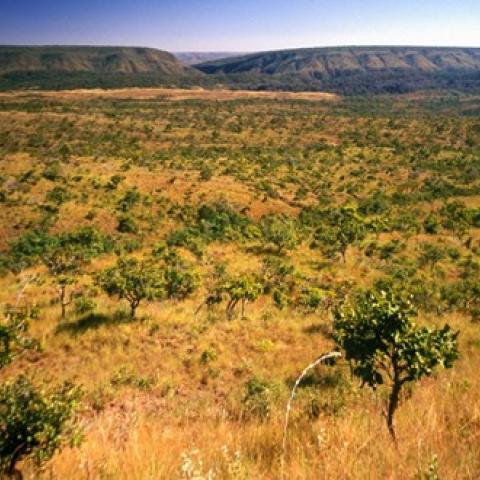
On the ground in the Yala wetlands with Women in Water & Natural Resources Conservation
Last week, our team joined local partners and stakeholders for a field mission to the Yala. The visit offered valuable insights into site conditions, ongoing pressures, and the opportunities ahead as we continue implementing our GO Fund project.
The Yala wetlands are ecologically significant and deeply connected to local livelihoods, yet they face increasing degradation from competing agricultural and grazing activities. Seeing these dynamics firsthand is essential to shaping practical, locally grounded next steps.
The lessons gathered during this trip will help guide our work to strengthen the health, resilience, and long-term sustainability of the Yala ecosystem.
Consultancy Opportunity: UX & Usability Analysis for WaterProof
The Nature Conservancy (TNC) is launching a call for consultants to conduct a usability and UX/UI analysis of WaterProof, a free web-based tool supporting Nature-based Solutions for water security and flood mitigation.
We are seeking an experienced consultant or team to assess the current user experience and propose improvements to navigation, clarity, and accessibility for a wide range of users.
▪️ Application deadline: 20 February 2026
▪️ Submit applications to: pilar.galindo@tnc.org
This consultancy will help strengthen WaterProof as a practical, accessible decision-support tool for watershed planning worldwide. Read more below.
Full Source: Learn more here
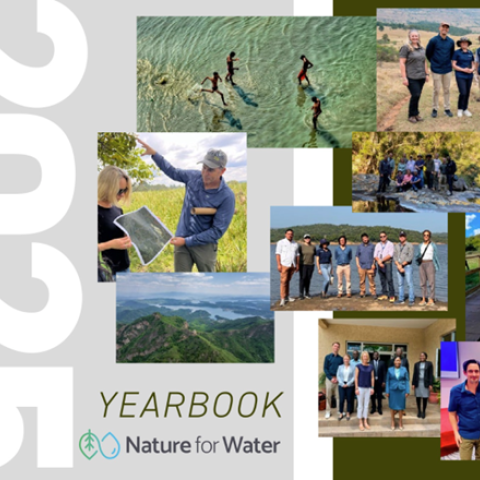
The Nature for Water 2025 Yearbook is here!
We’re excited to share our N4W 2025 Yearbook, a snapshot of a year defined by collaboration, learning, and action across watersheds around the world.
From project launches and on-the-ground implementation, to Asia-Pacific expansion, GO Fund progress, and global events, this yearbook captures the people, partnerships, and places that shaped Nature for Water in 2025.
What you’ll find inside:
- Highlights from watersheds including Black Volta, Yala, K2C, Norfolk, Lower Kafue, Avon, Yaque del Norte, Mendoza, and more
- Milestones from our growing work in Asia-Pacific
- Reflections on how nature-based solutions are advancing water security
- And, the great people behind the work
A huge thank you to our partners, colleagues, and local leaders who make this work possible, and to the N4W team for bringing this yearbook to life.
Full Source: N4W Yearbook 2025

Launching the Biodiversity Benefit Accounting (BioBA) Guidance
Join The Nature Conservancy (TNC), Pacific Institute, LimnoTech, Second Nature Ecology + Design and the CEO Water Mandate for the official launch of BioBA, a practical, science-based framework designed to help companies and partners identify, measure, and communicate biodiversity benefits within corporate water stewardship and biodiversity projects.
BioBA addresses a critical gap by enabling projects to move beyond risk mitigation toward credible, nature-positive outcomes, aligned with emerging global initiatives. During the event, participants will be introduced to the seven-step BioBA methodology and explore how it can be flexibly applied across different contexts and geographies.
12 February 2026
11:00 AM EST
Full Source: Register here

Fire for Water: Harnessing Fire Management as a Nature-based Solution for Healthier Watersheds
Fire, when carefully planned and managed, can play a powerful role in restoring ecosystems and protecting water sources. Join us for an upcoming webinar exploring how fire management is being applied as a NbS to improve water quality, water availability, and watershed resilience.
Through real-world case studies from Africa and the Americas, speakers will share practical experience with prescribed burns, wildfire response, and invasive species control—highlighting what works, what’s being learned, and how these approaches are governed and monitored.
When: 27 January 2026 - 6:00–7:30 PM Nairobi | 11:00–12:30 AM EST
Featured case studies include:
▪️ Living Lands (South Africa)
▪️ Rio Grande Water Fund (New Mexico, USA)
▪️ Blue Forest (USA)
▪️ Greater Cape Town Water Fund (South Africa)
Full Source: Register here
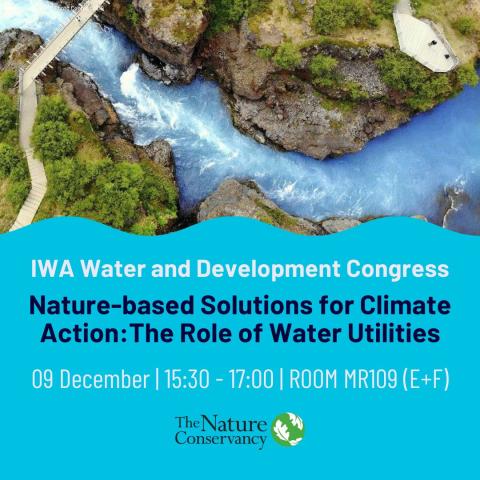
Meet us in Bangkok!
The Nature Conservancy and Nature for Water are headed to Bangkok for the International Water Association and Development Congress where we’ll talk water, nature, climate and more. Come find us at the following sessions and join the discussion:
Session 1: Nature-based Solutions for Climate Action: The Role of Water Utilities
Around the world, forward-looking water utilities are recognizing the increasing risks posed by climate change and working with nature to adapt. Join us to explore case studies from utility leaders like Ardian Wiedilaksono (Semarang Water Utility, Indonesia), Alma Abrasaldo (Bayawan Water District, Philippines), Gary Moys (Veolia), and discover how they’re leading advancements in nature-based solutions (NbS) at scale along the urban to rural gradient.
Date & Time: Tuesday, December 9 – 15:30–17:00
Room: MR109 (E+F)
Session 2: Introducing the new IWA Nature-based Solutions Cluster: NbS from Source to Sea:
Explore the newly launched IWA NbS Cluster and discover how nature-based solutions can contribute to a resilient future for the global water sector. This interactive World Café will explore basin-scale solutions, wastewater, stormwater, and urban NbS.
Speakers include: Rob Cunningham (TNC), Guenter Langergraber (BOKU University), Douglas Nyolei (N4W), and other NbS experts.
Date & Time: Friday, December 12 – 10:30- 12:00
Room: MR107 (A+B)
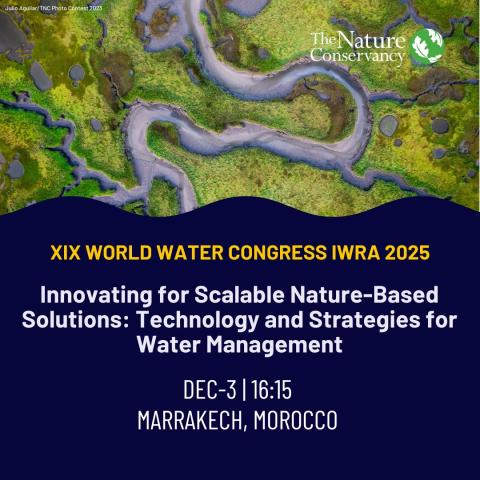
Find us at the IWRA World Water Congress 2025!
The Nature Conservancy and Nature for Water will be on the ground at the International Water Resources Association (IWRA) World Water Congress 2025 in Marrakech, spotlighting the future of innovation and nature-based solutions in the global water sector.
Here’s where you can find us:
Session 1 – Innovating for Scalable Nature-Based Solutions: 3 December 2025
We’ll explore how tools like WaterProof, advanced modelling, and collaborative governance can unlock NbS at alandscape scale. Case studies from TNC’s Resilient Watersheds Strategy and the Nature for Water Facility will illustrate practical pathways for moving from pilot projects to large-scale implementation.
Session 2 – Accelerating Innovation in the Water Sector: From NbS to AI: 4 December 2025
This high-level panel will examine the evolving landscape of innovation, from ecosystem restoration to digital technologies and AI, and what it takes to bring these solutions into mainstream water management.
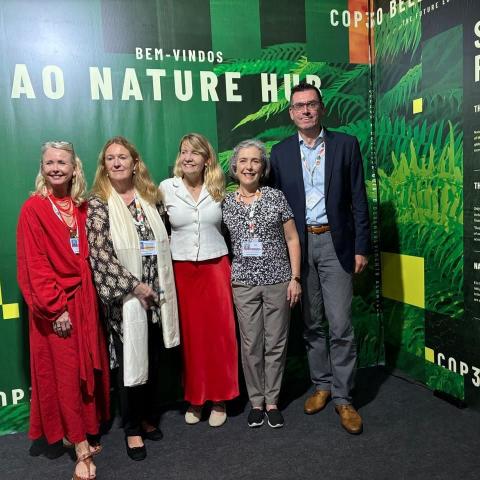
GIZ and The Nature Conservancy unite at COP30 to Unlock Finance for Nature and Climate Action
Last week at COP30 in Belém, The Nature Conservancy (TNC) and Deutsche Gesellschaft für Internationale Zusammenarbeit GmbH signed a landmark MoU to scale finance for nature-positive and climate-resilient outcomes. This collaboration brings together development expertise, conservation science, and innovative finance to unlock investment where it matters most.
For Nature for Water, this announcement is especially meaningful:
one of the initiatives referenced in the agreement: the Lower Kafue Watershed Investment Programme in Zambia, is among the programs we’ve had the privilege to support alongside local partners. Seeing it included among global examples of nature finance innovation reinforces the importance of locally grounded, landscape-scale solutions.
This partnership between GIZ and TNC aims to expand tools such as nature and environmental impact bonds, debt-for-nature swaps, biodiversity credits, and blended green–grey infrastructure — helping make conservation more investable and strengthening resilience worldwide.
Full Source: Read TNC’s full announcement here
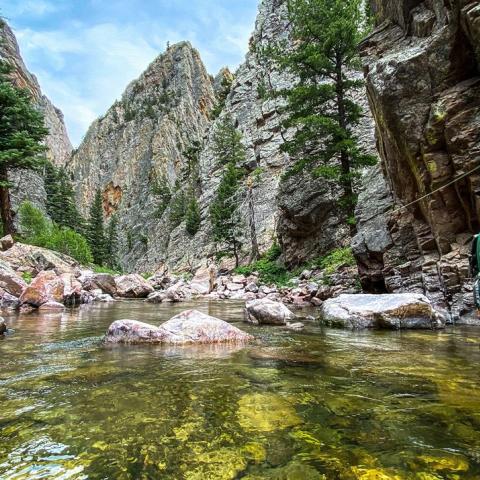
Source to City: Providing Water Security Through the Rio Grande Water Fund
Water is precious—especially to those of us who live in the desert. In New Mexico, the Rio Grande River and its tributaries support a variety of wildlife, supply water to agriculture, and provide drinking water to more than half of the state’s population.
The Rio Grande Water Fund was created by over 100 signatories that includes businesses, state agencies, NGOs and advocacy groups to secure water and restore forests and riparian areas. This approach is used because when our forests are healthy and resilient to fire and climate change, we can maintain source water quality and increase its storage.
Full Source: Watch the full video and learn more about the Rio Grande Water Fund
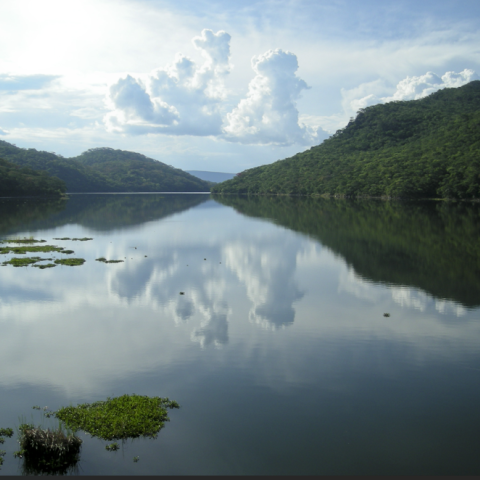
Request for Proposals: Governance & Sustainable Funding Road Map for the Lower Kafue Sub-Catchment Watershed Investment Program
Nature for Water (N4W) is inviting proposals for the development of a Governance Structure and a Sustainable Funding Road Map to support the Lower Kafue Sub-Catchment Watershed Investment Program (LKSC WIP). This work will complement the ongoing Design Phase of the LKSC WIP.
Why it matters:
Previous analysis by N4W revealed that the LKSC WIP’s portfolio of nature-based solutions could increase annual flow in the Kafue River by approximately 10%, equivalent to 1.1 billion m³ of water. Your contribution could help turn this potential into reality.
▪️ Refer to the Terms of Reference (ToR) below
▪️ Deadline for applications: November 21st, COB (Eastern Standard Time)
▪️ Questions? Reach out to: diana.madrigal@tnc.org
Founded in 1951, The Nature Conservancy is a global conservation organization dedicated to conserving the lands and waters on which all life depends. Guided by science, we create innovative, on-the-ground solutions to our world's toughest challenges so that nature and people can thrive together. We are tackling climate change, conserving lands, waters and oceans at unprecedented scale, providing food and water sustainably and helping make cities more sustainable. One of our core values is our commitment to diversity. Therefore, we strive for a globally diverse and culturally competent workforce. Working in 72 countries, including all 50 United States, we use a collaborative approach that engages local communities, governments, the private sector, and other partners. To learn more, visit www.nature.org
Nature for Water (N4W) is TNC’s technical assistance group that provides hand-in-hand help to place-based champions that are developing local watershed investment programs that rely on Nature-based Solutions to drive water security outcomes. The program aims to support 40-60 place-based engagements over four years via a mixture of pro-bono and fee-for-service partnerships.
Photo credits: Patrick McCarthy
Full Source: Terms of Reference
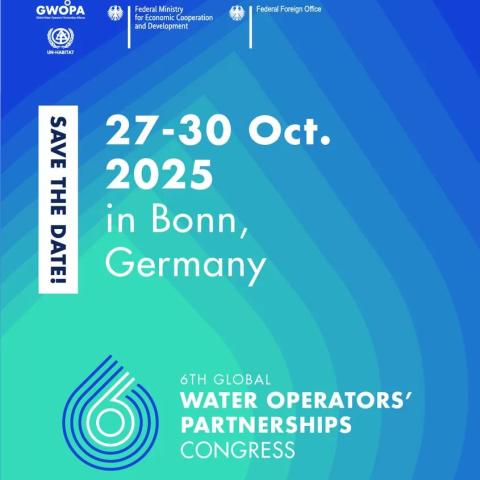
Join us at the upcoming Global Water Operators' Partnerships Alliance Congress in Germany
Join The Nature Conservancy (TNC), International Water Association and WaterWorX for an informative session about nature-based solutions (NbS) and water security at the upcoming Global Water Operators' Partnerships Alliance/UN-Habitat (GWOPA) Congress in Bonn.
▪️ What: “Water Operators partnering with Nature for a Resilient Future”
▪️ When: Tuesday, 28 October | 4:00 PM CET
▪️ Where: Bonn, Germany — with online participation available
This session will explore how water operators are partnering with nature to build more resilient and sustainable systems, sharing experiences from across the globe on designing and implementing green-grey infrastructure portfolios.
Speakers will discuss how NbS can complement traditional water infrastructure, reducing risk, extending asset life, cutting costs, and delivering co-benefits for biodiversity, livelihoods, and communities.
Full Source: Learn more and register here
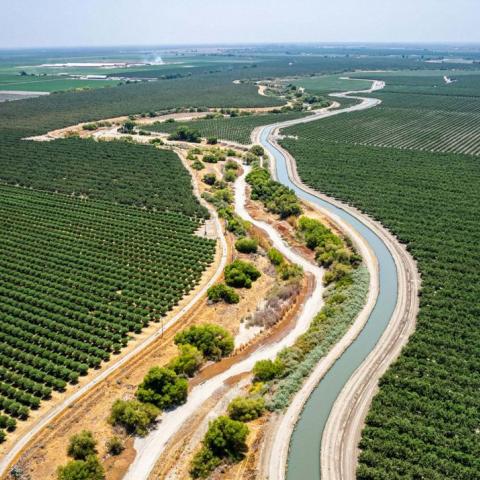
New Report Alert: Archetypes for Nature-Based Adaptation
The climate crisis is accelerating—and with it, the risks to global food, water, and biodiversity systems are colliding in devastating ways. This new resource maps where these risks converge, dialing into specific risk zones and introducing four archetypes to guide landscape-level Nature-based Solutions (NbS), grounded in real-world case studies.
The analysis indicates that by 2050:
- 25% of land will see drought frequency increase by 70%+—with spikes up to 2,500% in regions like North Africa.
- 36% of land will face surface water stress; 86% of that will be severe.
- Groundwater stress will rise by 30% globally.
- One-third of Earth’s surface will exceed freshwater nitrogen thresholds harmful to ecosystems and human health.
- 64% of freshwater biodiversity hotspots** will be at risk—most outside protected areas.
- Up to 25% of global crop nutrient production (zinc, iron, vitamin A) is at risk.
The report introduces four archetypes of major water-related risks and distinct solution sets to guide action.
Dive into the full report and explore how integrated, landscape-level approaches can help communities and ecosystems thrive in the face of climate change.
Full Source: Scaling Nature-Based Solutions for Water-Resilient Food Systems
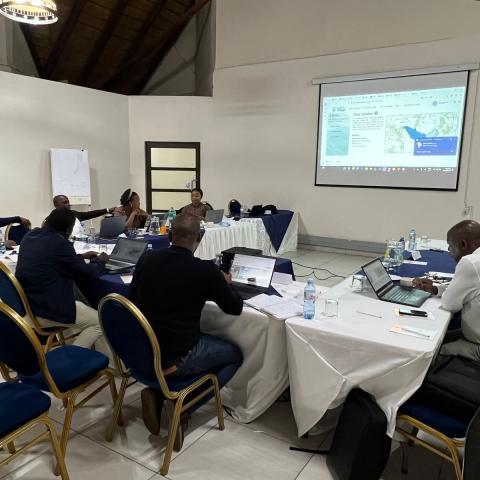
Waterproof Training in Eswatini!
Nature for Water had the opportunity to engage with officials from the Eswatini Water Services Corporation (EWSC), the Eswatini Department of Water Affairs (DWA) and the Ministry of Health - Eswatini Monitoring and Evaluation Unit (MoH) during a training on Nature-based Solutions (NbS) for water security and the use of WaterProof.
Hosted in collaboration with The World Bank, EWSC, DWA, and MoH, the session focused on exploring how NbS can be effectively integrated into national water programs to enhance resilience and optimize investments.
The discussions highlighted the potential of NbS to complement traditional infrastructure, improve ecosystem health, and deliver long-term benefits for water security. As a result, the partners expressed a strong commitment to embracing NbS in both existing and upcoming projects, aiming to build more resilient and sustainable watersheds and water systems across the region.
About WaterProof: WaterProof is a free-to-use platform that helps decision-makers quickly identify, prioritize, and estimate the costs and benefits of potential NbS interventions. Through easy-to-interpret maps and data, it provides:
▪️ Summary watershed characterization
▪️ NbS portfolio recommendations
▪️ Full lifecycle costing
▪️ ROI and co-benefits estimation
We are excited to see growing interest in NbS and to continue supporting partners like EWSC, DWA, and MoH on their journey toward a more water-secure future.
Photo credits: Douglas Nyolei
Full Source: LinkedIn
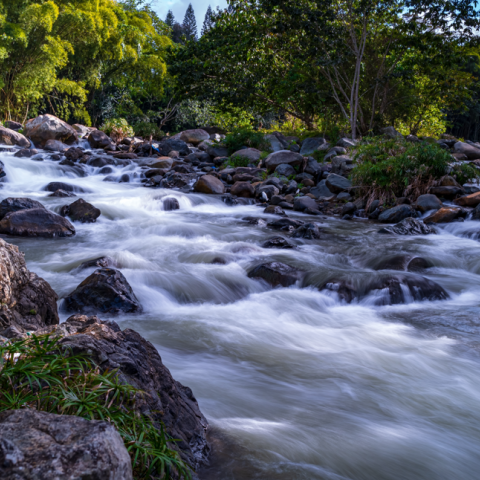
Yaque del Norte Water Fund launched its Business Case!
The Yaque del Norte Water Fund (FAYN) launched its Business Case, marking a milestone in advancing Nature-based Solutions for water security in the Dominican Republic.
Developed with technical support from the Nature for Water Facility, the Business Case presents a portfolio of strategies—ranging from conserving native ecosystems and restoring forests, to promoting sustainable agriculture, silvopastoral systems, and artificial wetlands.
The findings are clear: these solutions not only improve water quality for 1.8 million people, they also extend the life of the Tavera-Bao reservoir, reduce sedimentation costs, strengthen hydroelectric generation, and deliver biodiversity and climate resilience benefits across more than 96,000 hectares.
We are honored to have supported FAYN in building this evidence-based roadmap and look forward to the next phase of collective action.
Full Source: Business Case
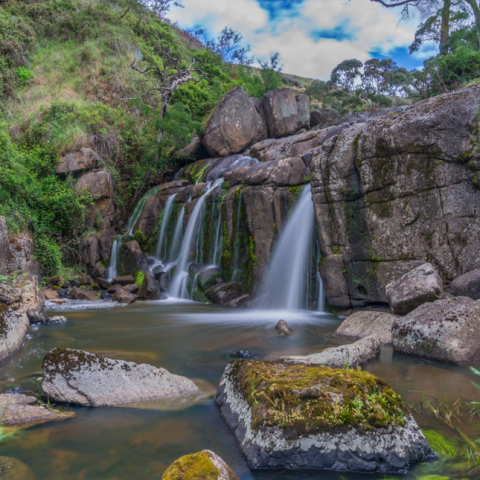
The Moorabool River is a lifeline for communities, ecosystems, and the economy in southwestern Victoria
Flowing through Wadawurrung Country, it supports tens of thousands of people across regional hubs, providing vital cultural and environmental values and nurturing the wellbeing of these communities.
Recently, the Net Nature Positive Forum in Geelong brought together businesses, utilities, and local leaders to explore how investing in nature can restore the Moorabool and Barwon Rivers and secure a more sustainable future for Australia’s fastest-growing region.
In partnership with the Committee for Geelong, Barwon Water, Corangamite Catchment Management Authority, and the Geelong Chamber of Commerce, The Nature Conservancy in Australia, Nature for Water supported discussions on how nature-based solutions and environmental markets can unlock real opportunities for both business and biodiversity.
Photo credits: Shutterstock
Full Source: Learn more here
Webinar Alert: Unlocking the Power of Policy for Water Security
Investments in Nature-based Solutions (NbS) for water security are on the rise (new reporting shows they doubled over the past decade, reaching $49 billion in 2023).
So, what’s holding us back from truly mainstreaming these investments around the world?
The new report, The Power of Policy, reveals that effective policy conditions are one missing link.
The report shows that scaling NbS requires more than funding—it demands coherent laws, cross-sector coordination, and community leadership among other critical enabling conditions.
Join us on October 1st at 10:00 ET / 15:00 BST / 16:00 CET for a webinar hosted by TNC and IWA to explore how strategic policy reform can help unlock NbS investments at scale.
Listen in English | Spanish | Portuguese
Full Source: Register here
Freshwater Biodiversity Monitoring Webinar
Freshwater species are disappearing faster than any other group on Earth. Alarmingly, more than half of all terrestrial species at risk of extinction depend on the same degraded water sources that human communities rely on. As climate change and human development intensify, the need to protect these ecosystems has never been more urgent.
Nature-based solutions offer some of the most effective—and cost-efficient—approaches to safeguard freshwater systems and the biodiversity they support.
Join us for an interactive session exploring how conservation programs around the world are monitoring and assessing biodiversity outcomes.This webinar will highlight real-world example from:
✔️ Global AI biodiversity and Biodiversity benefit accounting reports
✔️ China: Qiandao Lake—wetlands biodiversity assessments & monitoring
✔️ Amazon: Freshwater Fisheries biodiversity management & monitoring
✔️ Ecuador: Biodiversity monitoring framework in the Andes and biodiversity recovery in Antisana
✔️ South Africa: Greater Cape Town—freshwater biodiversity gains from invasive species clearing
When: 30 September
5 PM Nairobi / 10 AM EST
Full Source: Register here
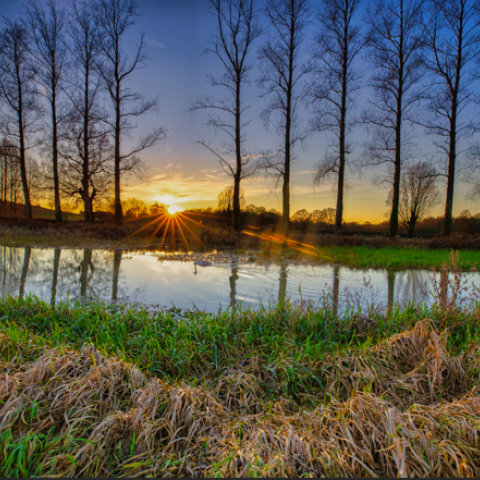
Check out the NbS PrioritisationTool from the Norfolk Water Strategy Programme!
This innovative tool helps identify and prioritise the most impactful nature-based solutions across Norfolk’s chalk catchments—guiding investments that deliver the greatest benefits for biodiversity, nutrient mitigation, and water security.
Proud to support Water Resources East, Norfolk County Council, Anglian Water Services, and The Nature Conservancy Conservancy in bringing this work to life.
Photo credits: iStock
Full Source: Learn more here
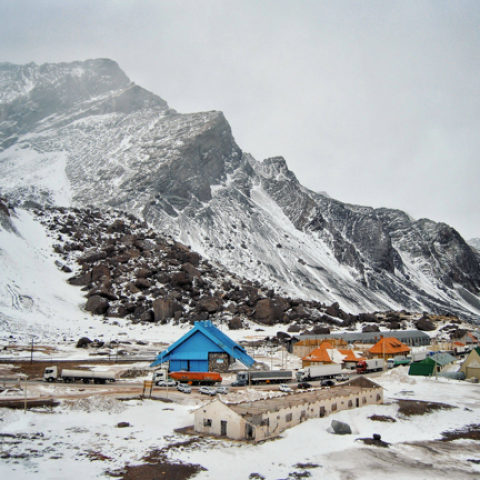
The Mendoza Water Fund has launched its Business Case, laying out a path to secure water in one of Argentina’s most critical basins.
The Mendoza Water Fund has launched its Business Case, laying out a path to secure water in one of Argentina’s most critical basins.
The analysis shows that restoring high-Andean wetlands and advancing sustainable agriculture could add up to 29 hm³ of water annually, while generating benefits nearly three times greater than costs.
This is a powerful example of how nature-based solutions deliver resilience for people, agriculture, and ecosystems.
Photo credits: Frederick Clindt/TNC photo Contest 2022
Full Source: Business Case
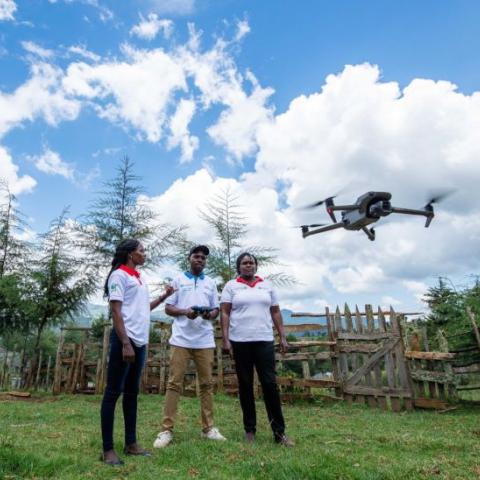
The View from Above: Harnessing the power of drone technology
This International Youth Day, we're celebrating inspiring young leaders in Kenya who are harnessing the power of technology to support their local farmers and protect community water sources.
In Eldoret, Kenya, where water demand is already outpacing supply, and the impacts of climate change are accelerating, the Eldoret-Iten Water Fund is using drones to rapidly monitor watershed health and more quickly improve local water security.
This tech-driven approach to monitoring is not only efficient, it’s inspiring a new generation of conservationists. Youth drone pilots are capturing real-time data that helps protect rivers, wetlands, and wildlife and supporting their community in the process.
Now they’re showing the world what’s possible with the help of technology and a little creativity.
Follow the link to watch our new short film - The View From Above - and to find out how nature-based solutions are implemented at the Eldoret-Iten Water Fund.
Photo credits: Roshni Lodhia
Full Source: The View From Above Video
© Scott Warren